About Central Florida Animal Reserve
Home » About
Central Florida Animal Reserve is a nonprofit wildlife reserve dedicated to the thoughtful care of big cats and to advancing education around animal welfare and stewardship. For nearly three decades, CFAR has worked to provide appropriate homes for animals that cannot return to the wild while fostering meaningful connections between people and wildlife.
The pages below offer insight into the people, programs, history, and values that shape CFAR today.
our organization
leadership
Learn about the individuals guiding CFAR's mission, operations, and long-term vision, and the experiencethey bring to the organization.
careers
Explore employment opportunities and learn how professionals can contribute their skills to support animal care, education, and operations at CFAR.
Reserve Updates
Stay informed on major initiatives, milestones, and long-term projects that support the future of the reserve, including strategic campaigns and facility development.
in the media
View third-party news coverage, interviews, and features highlighting CFAR's work and impact within the broader conservation and animal welfare community.
Media kit
Access official information, approved imagery, leadership bios, key metrics, and contact resources for journalists and media professionals.
Annual Transparency
Review organizational transparency materials that reflect CFAR’s commitment to accountability, ethical operations, and responsible stewardship.
contact
Reach out to CFAR with general questions, media inquiries, or partnership opportunities.
History of Central Florida Animal Reserve
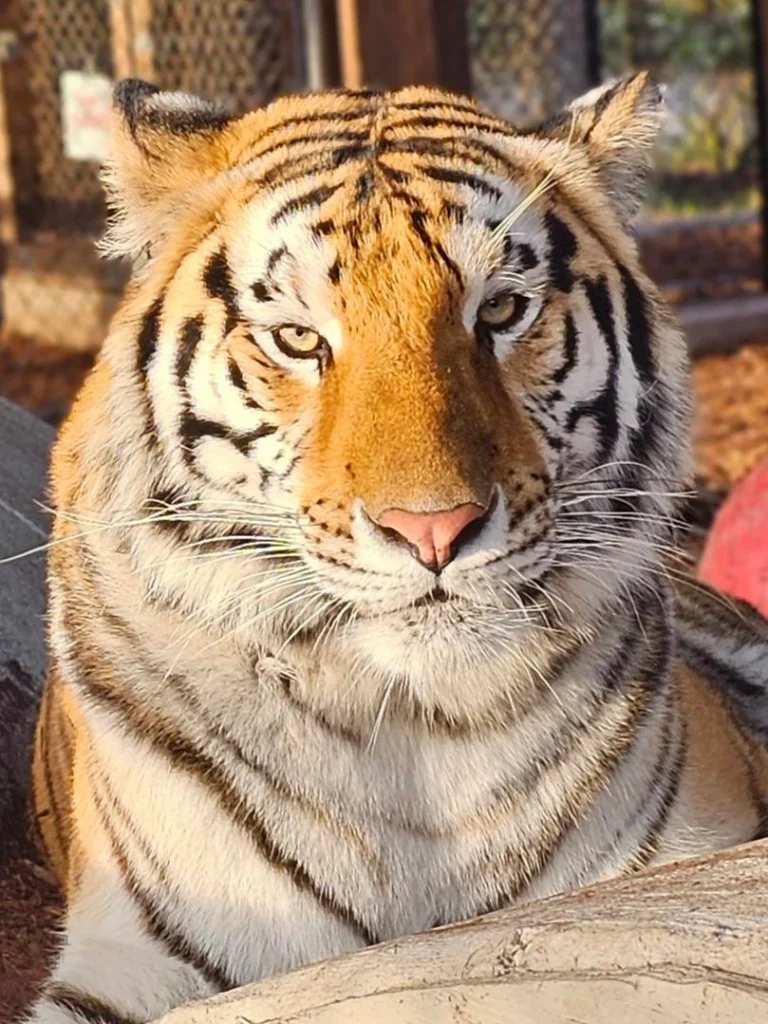
Central Florida Animal Reserve (CFAR) has been a dedicated steward of big cats since its humble beginnings in 1996. From its roots in Palm Bay, to decades in Brevard County, and now its home in beautiful East Osceola County, CFAR’s mission has always centered around the care and conservation of lions, tigers, leopards, and cougars.
In its early years, CFAR was deeply involved in the larger narrative of big cats in entertainment, institutional roles, and species propagation. At the time, the threat of extinction loomed large, particularly for tigers, with predictions that they would disappear from the wild by the early 21st century. In response, CFAR committed to preservation efforts, including breeding programs that sought to ensure the survival of these magnificent animals.
However, in 2007, CFAR shifted its focus. The organization reincorporated, ended its breeding initiatives, and began concentrating solely on providing a sanctuary for its resident big cats. Around this time, the search for a permanent home began. In 2010, a suitable location was found, but it took until 2013 to secure the necessary agreements and complete environmental surveys. With a remarkable effort fueled entirely by volunteers and without paid staff, CFAR launched a four-year fundraising campaign, raising $1.3 million to construct a new facility.
In 2017, CFAR made its historic move, relocating 25 big cats nearly 60 miles to their new home in Osceola County. Since then, the organization has rehomed 15 more cats and continues to provide a vital platform for individuals passionate about entering the challenging world of big cat care.
Today, CFAR’s primary program focuses on advancing the art and science of big cat husbandry, always keeping the animals’ unique needs at the forefront. In addition, CFAR works to create meaningful connections between people and the wild, harnessing the power of the natural environment to inspire and educate.
Our Mission
“To create a platform to address the challenge of big cats for the future, and provide value to society today.”
Through the dedication of its volunteers and the generosity of its supporters, CFAR continues to shape a brighter future for big cats while enriching the lives of those who support and engage with this important work.
Privacy Policy