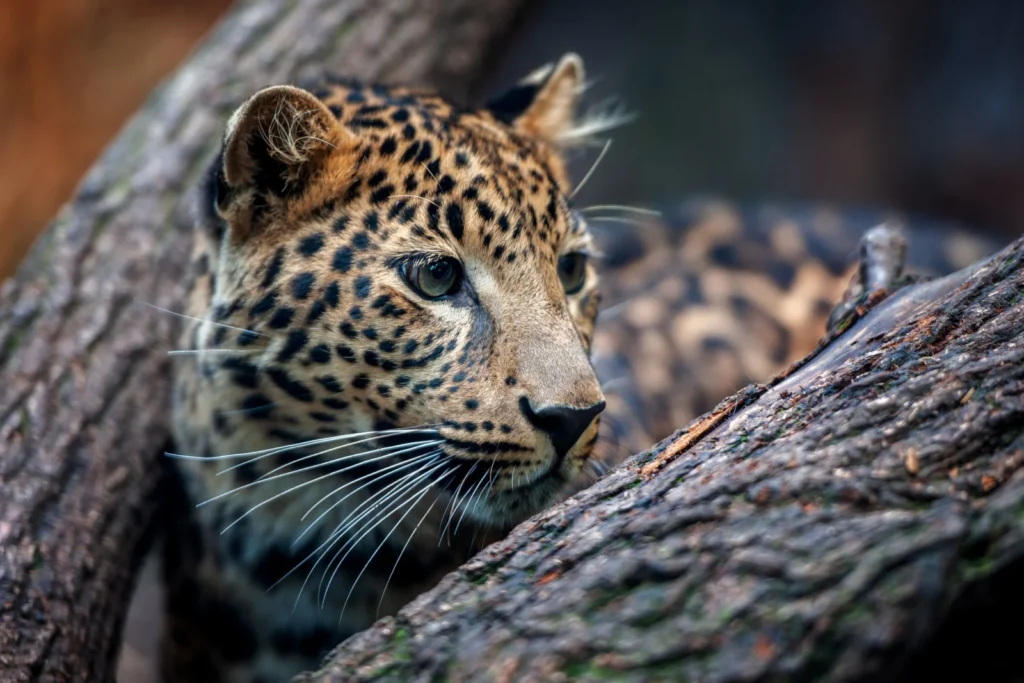
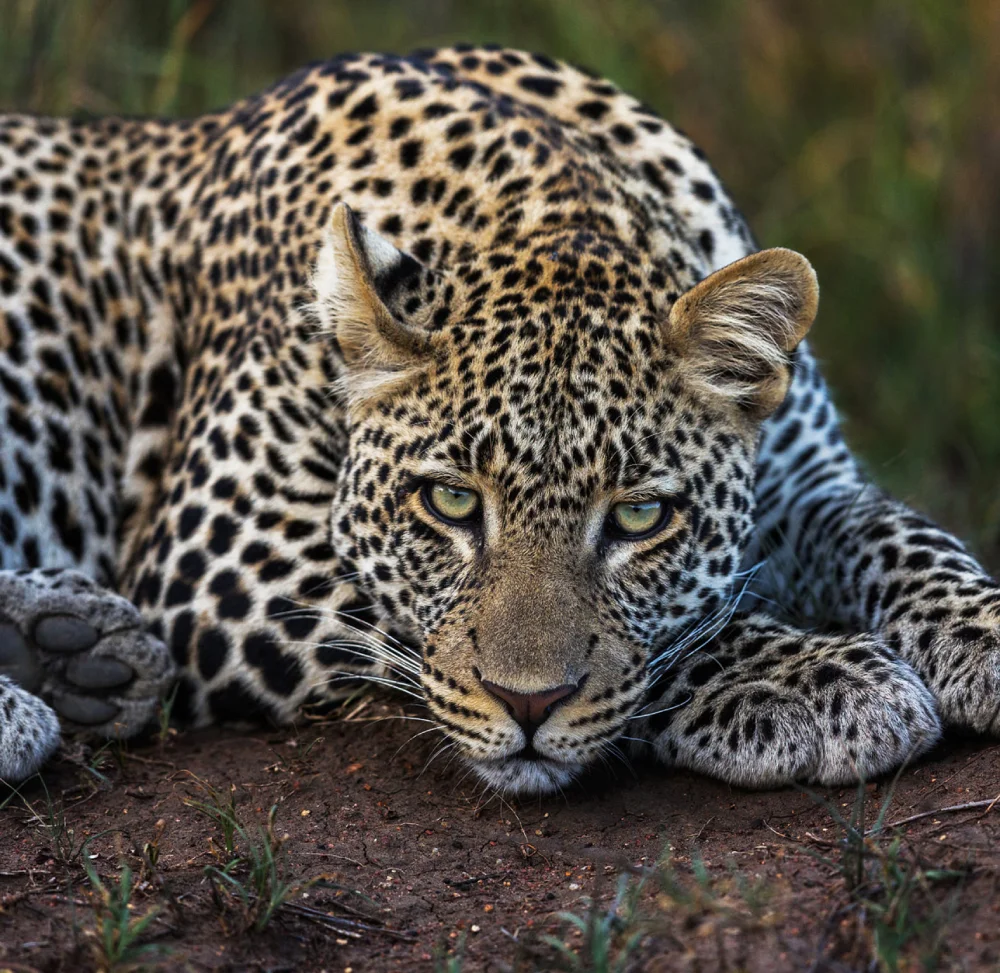
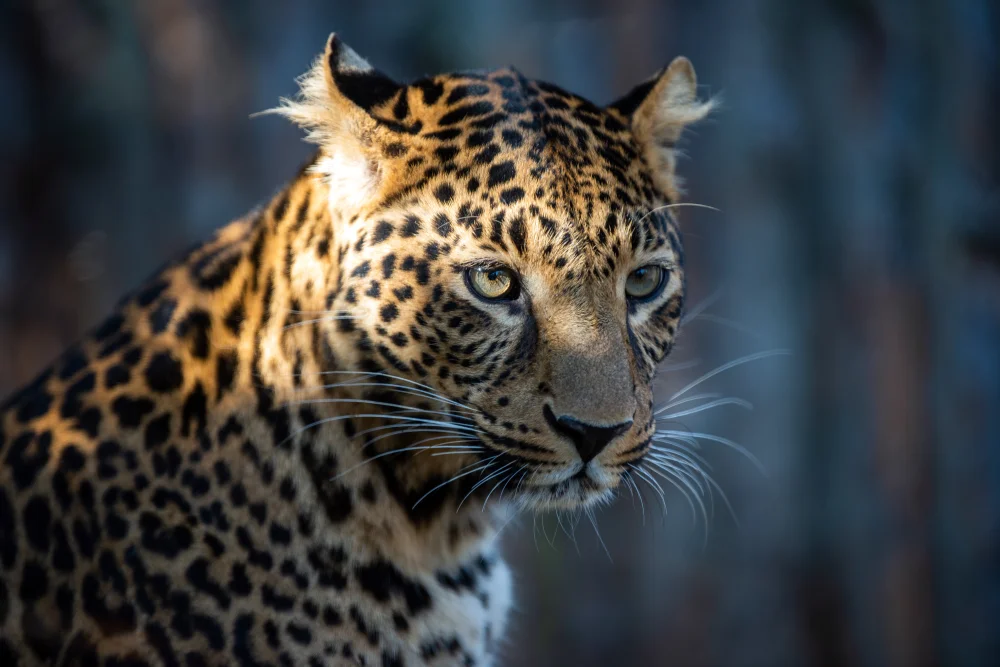
Leopards are among the most adaptable and wide-ranging big cat species in the world. Native to large parts of Africa and Asia, they occupy an impressive variety of habitats, including savannas, forests, grasslands, and mountainous regions. This adaptability has allowed leopards to survive in environments where other big cats cannot.
As solitary apex predators, leopards play an important role in regulating prey populations and maintaining ecological balance. Their ability to adjust hunting strategies and behaviors based on surroundings highlights both intelligence and resilience. Despite this adaptability, leopard populations face increasing pressure from human activity, making education and conservation awareness essential.
Conservation Information
Name: Leopard (Panthera pardus)
Status: Vulnerable*
What this means: Leopard populations are declining across much of their range and face an increased risk of extinction if current threats continue.
Threats: Habitat loss and fragmentation, illegal wildlife trade, poaching, depletion of prey species, and human-wildlife conflict
Conservation Effort: Habitat protection, strengthened law enforcement, coexistence initiatives, and population monitoringervation programs
*Status provided by International Union for Conservation of Nature (IUCN).
How Leopards Live
Natural History & Behavior
Leopards are solitary and highly secretive animals, relying on stealth and adaptability to survive in diverse environments. They are primarily nocturnal, using darkness and cover to their advantage while hunting and moving through their territory.
In the wild, leopards exhibit behaviors such as scent marking, tree climbing, caching prey in elevated locations, resting in dense vegetation, and carefully patrolling their home ranges. Their ability to adapt behaviorally to changing conditions has contributed to their wide distribution.
Built for Versatility
Physical Characteristics
Leopards have compact, muscular bodies built for strength, agility, and climbing. Their powerful limbs and retractable claws allow them to move confidently through trees and uneven terrain.
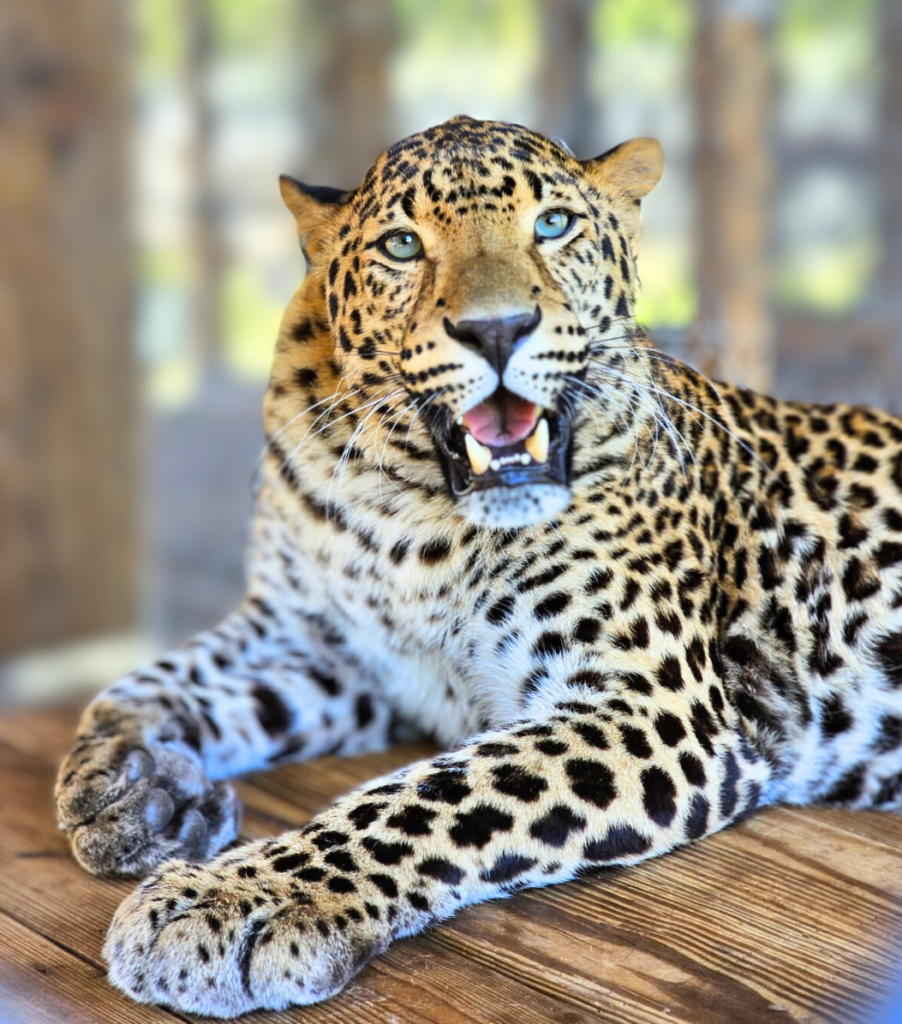
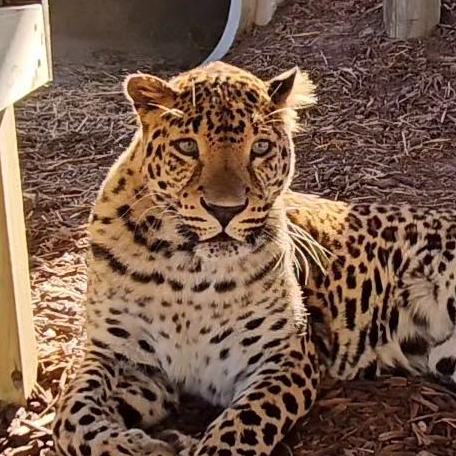
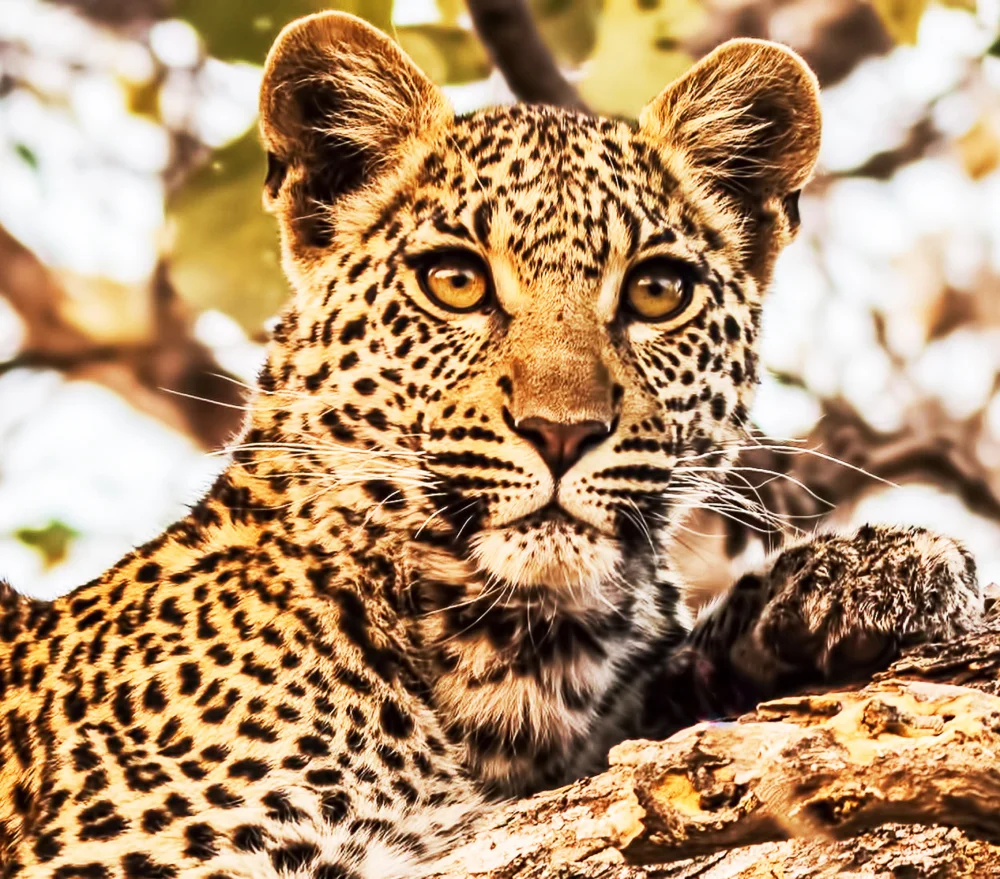
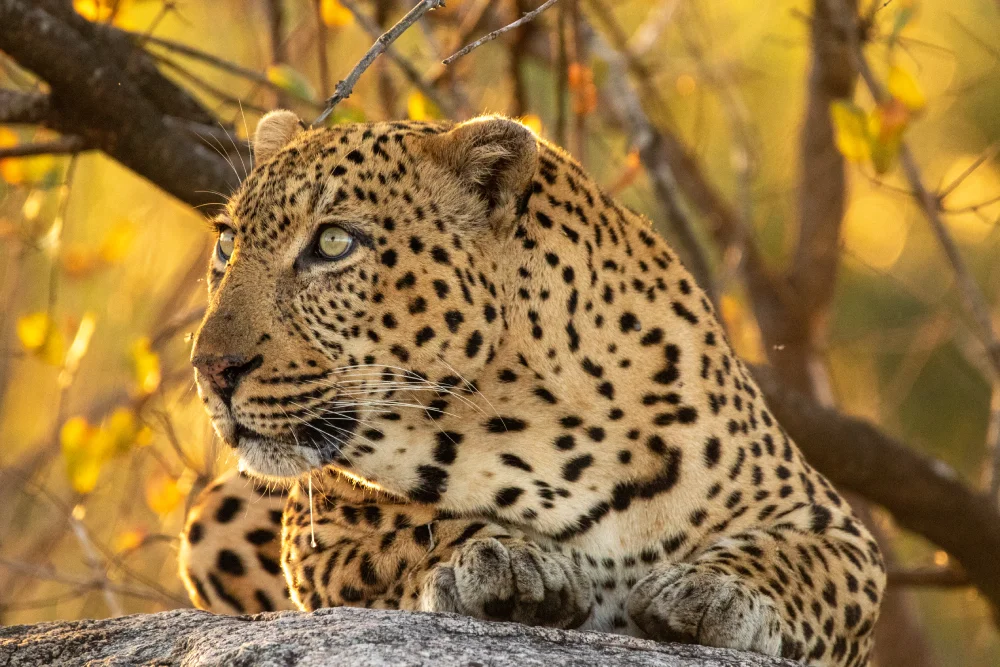
Their distinctive rosette-patterned coats provide effective camouflage in a range of habitats. Excellent eyesight and acute hearing support hunting during low-light conditions.
Life as Hunters
diet in the wild
Leopards are opportunistic hunters with one of the most varied diets among big cats. They prey on animals of many sizes, depending on availability and habitat.
Successful hunts often involve ambush tactics, followed by the transport of prey to secure locations to reduce competition from other predators.
Leopard Care at CFAR
At Central Florida Animal Reserve, big cats are cared for in a way that prioritizes physical health, psychological well-being, and the ability to exhibit natural behaviors.
Nutrition and Feeding
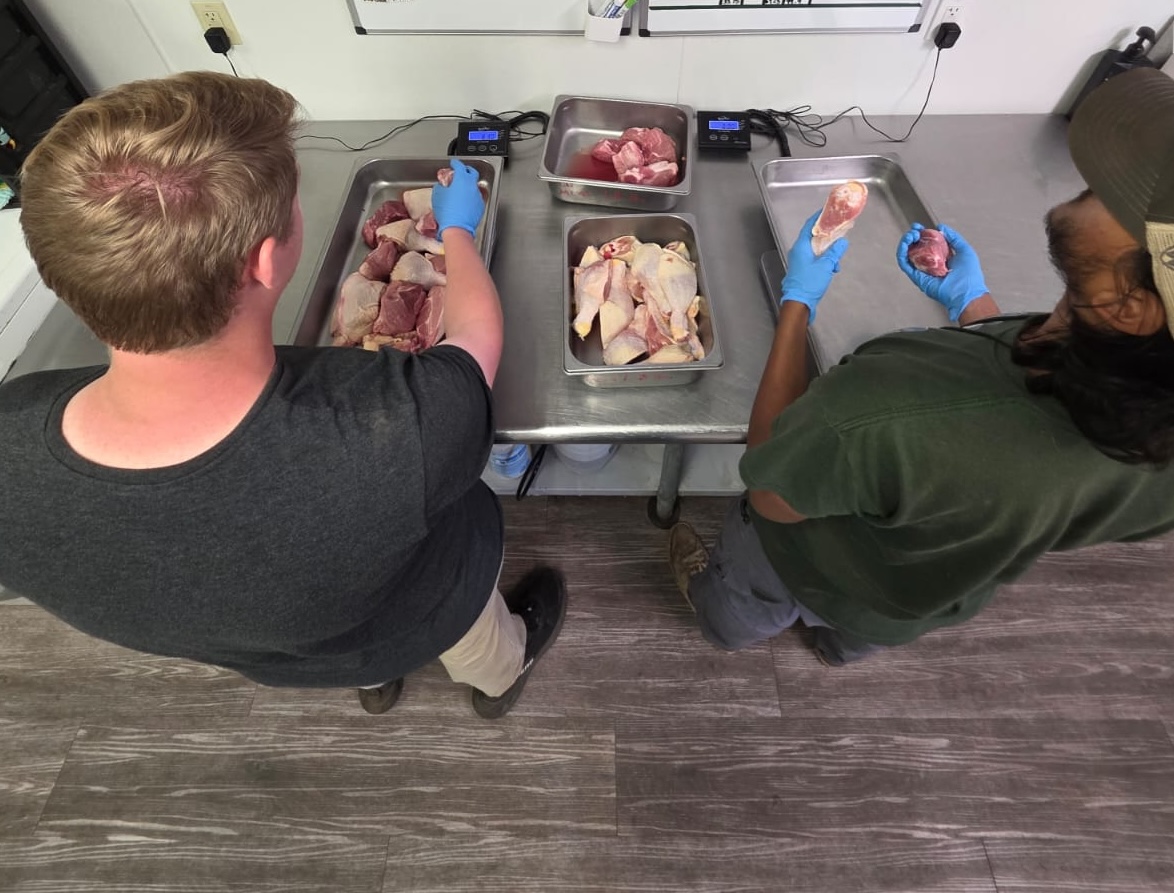
Big cats at CFAR receive carefully planned diets that reflect their biological needs as obligate carnivores. Meals are prepared according to established dietary guidelines and adjusted as needed based on age, health, and veterinary recommendations.
Feeding schedules are structured but varied to support engagement and reduce routine-based stress.
enrichment
Enrichment is a vital part of daily care and is designed to encourage natural behaviors such as climbing, exploration, scent investigation, problem-solving, and movement.
Activities may include environmental changes, novel scents, food-based challenges, and habitat features that promote choice and agency. Each enrichment plan is evaluated for safety and effectiveness.
Habitat & environment
Big cat enclosures at CFAR are designed to provide space, complexity, and environmental variation. Features such as elevated platforms, shaded areas, visual barriers, and natural substrates allow residents to choose how and where they spend their time.
Environmental management focuses on comfort, safety, and supporting species-appropriate behaviors throughout the day and across seasons.
Training & Veterinary Care
Big cats participate in husbandry training using positive reinforcement. These trained behaviors support routine health checks and veterinary examinations while minimizing stress.
Hands-on interactions are limited and performed only when necessary for medical or husbandry purposes. Ongoing observation and collaboration between animal care staff and veterinary professionals ensure proactive health management.
Learning With Purpose
Why Education Matters
Learning about leopards helps foster respect for wildlife and a deeper understanding of the challenges facing big cats across the globe. Education supports informed decision-making, ethical stewardship, and long-term conservation outcomes.
Those interested in learning more about other species and conservation topics can explore additional educational resources.
Learning about big cats often leads to a desire to better understand how thoughtful care and education work together. Central Florida Animal Reserve offers opportunities to deepen that understanding through guided experiences and community involvement.
Visit
Learn more about the big cats at CFAR through a guided visit