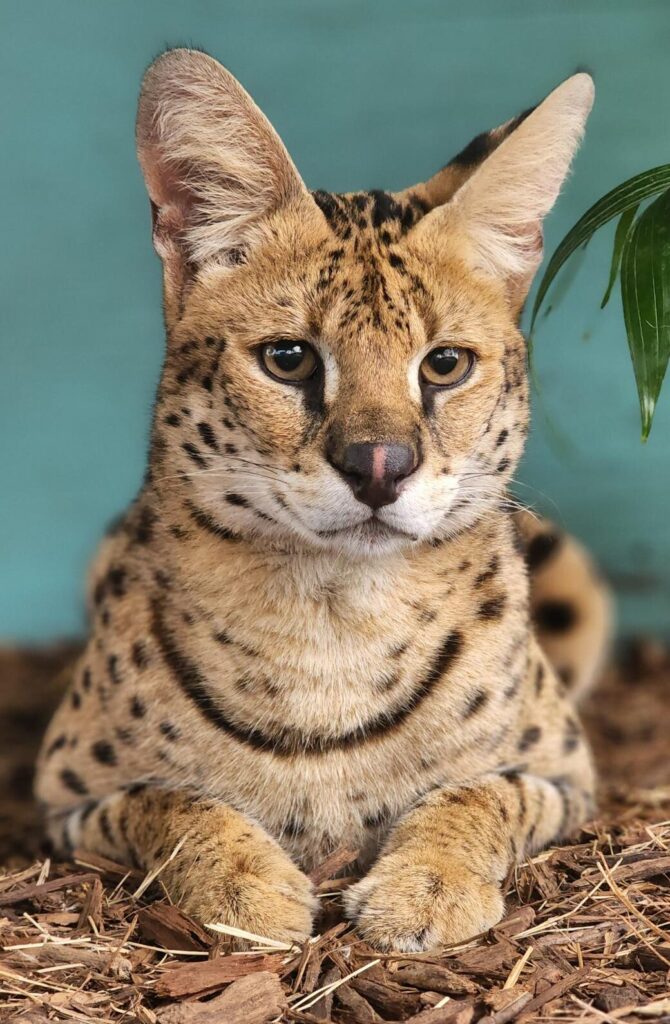
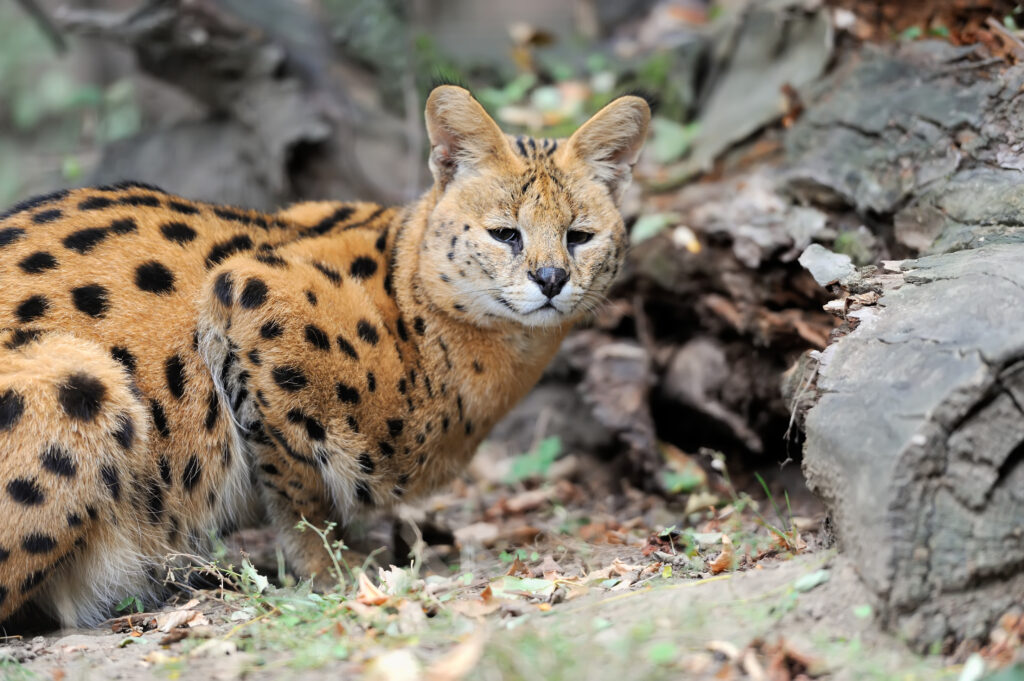
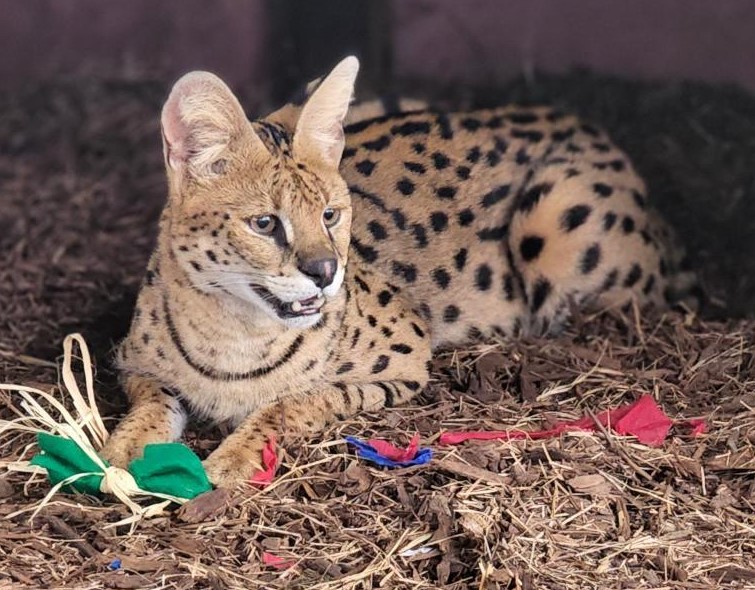
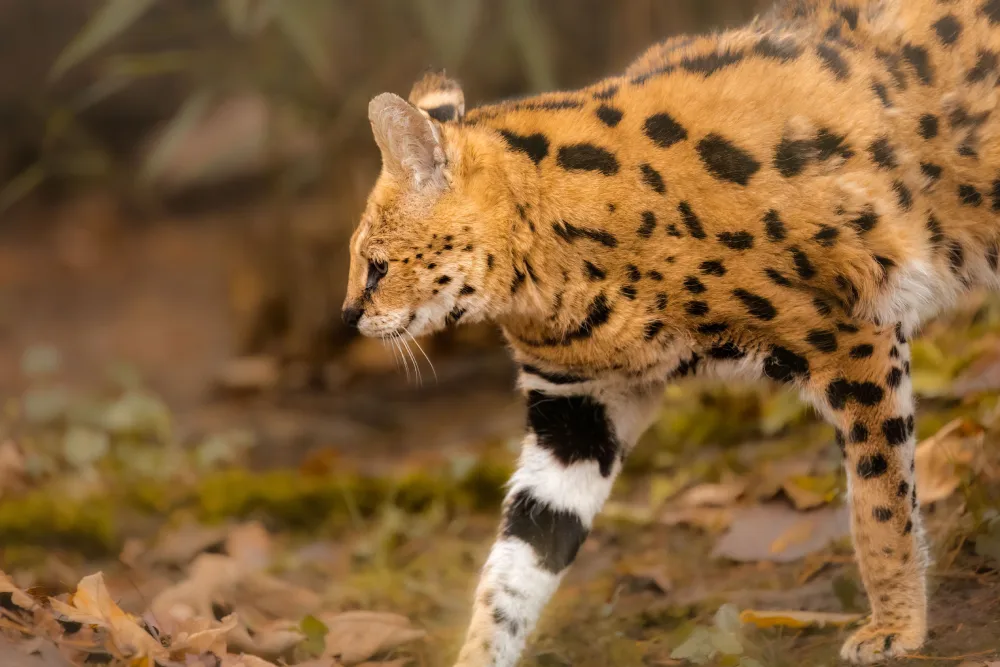
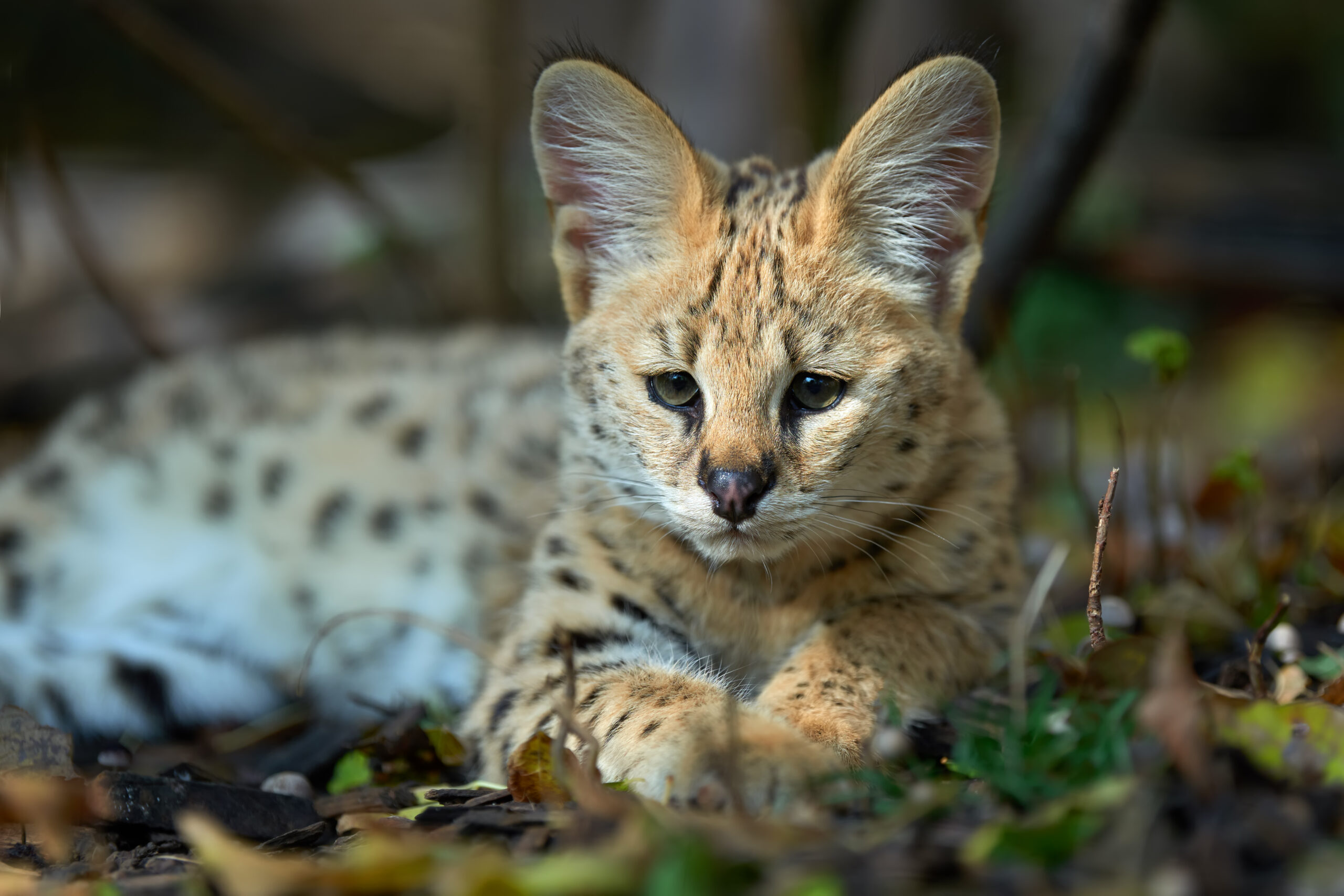
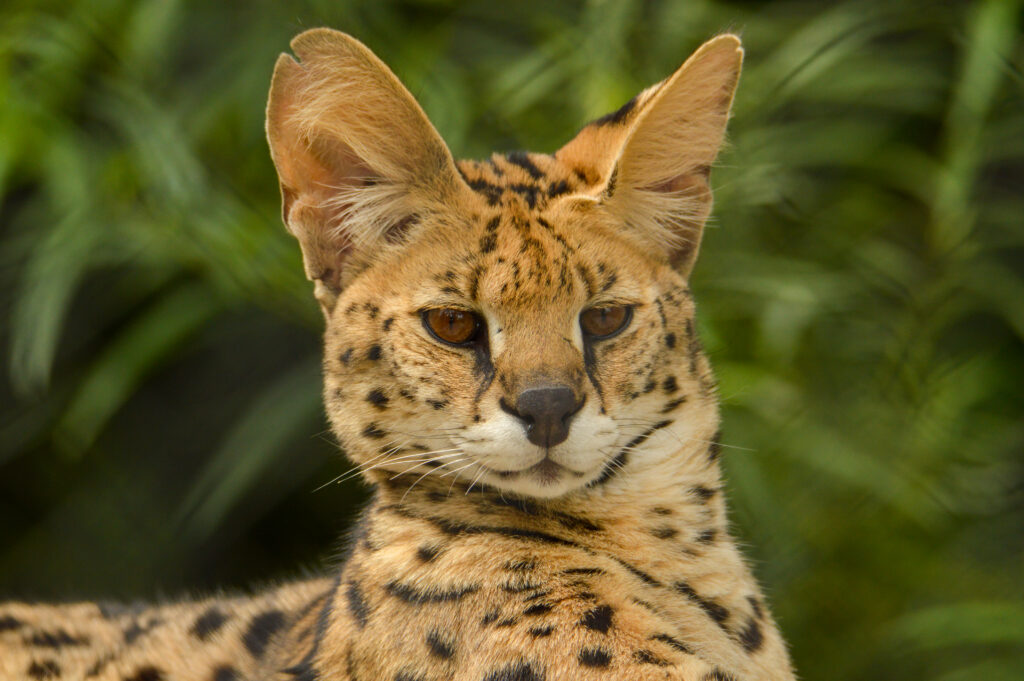
Servals are medium-sized wild cats native to sub-Saharan Africa, recognized for their long legs, large ears, and highly specialized hunting abilities. They are most commonly found in grasslands, savannas, and wetland-adjacent environments where tall vegetation provides cover and abundant prey.
As efficient small-prey predators, servals play an important role in regulating populations of rodents and other small animals. Their presence contributes to ecological balance within their habitats. While servals are less widely known than larger big cats, understanding their biology and behavior is essential to appreciating the diversity of wild felines and the importance of conserving varied ecosystems.
Conservation Information
Name: Serval (Leptailurus serval)
Status: Least Concern*
What this means: Serval populations are currently considered stable overall, though localized declines may occur where habitat loss or human conflict increases.
Threats: Habitat conversion, wetland drainage, agricultural expansion, and human-wildlife conflict
Conservation Effort: Habitat protection, population monitoring, and land-use practices that support healthy ecosystems
*Status provided by International Union for Conservation of Nature (IUCN).
How Servals Live
Natural History & Behavior
Servals are solitary animals that rely heavily on their senses, particularly hearing, to locate prey. Their large ears are highly sensitive, allowing them to detect subtle movements in grass or underground.
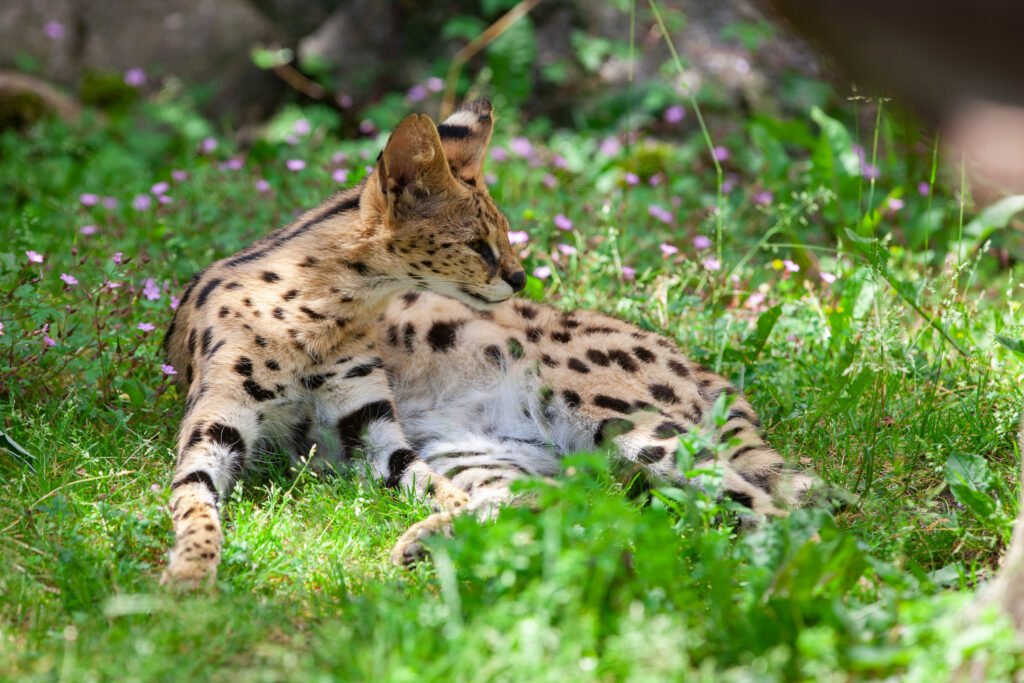
In the wild, servals exhibit natural behaviors such as stalking, pausing to listen intently, leaping vertically to capture prey, scent marking, and resting in dense vegetation. They are most active during dawn and dusk, when prey activity is highest and temperatures are cooler.
Built for Precision
Physical Characteristics
Servals are characterized by long legs, slender bodies, and relatively small heads with oversized ears. These features are specialized adaptations that support their distinctive hunting style.
Their spotted coats provide camouflage in tall grasses, while long limbs allow for high vertical jumps, often several feet into the air, to pin or capture prey with remarkable accuracy.
Life as Hunters
diet in the wild
In natural habitats, servals primarily hunt rodents, birds, reptiles, amphibians, and insects. Their hunting strategy emphasizes precision rather than strength, relying on careful listening, quick reflexes, and powerful leaps.
Successful hunts are often followed by short periods of rest before resuming activity.
Serval Care at CFAR
At Central Florida Animal Reserve, big cats are cared for in a way that prioritizes physical health, psychological well-being, and the ability to exhibit natural behaviors.
Nutrition and Feeding
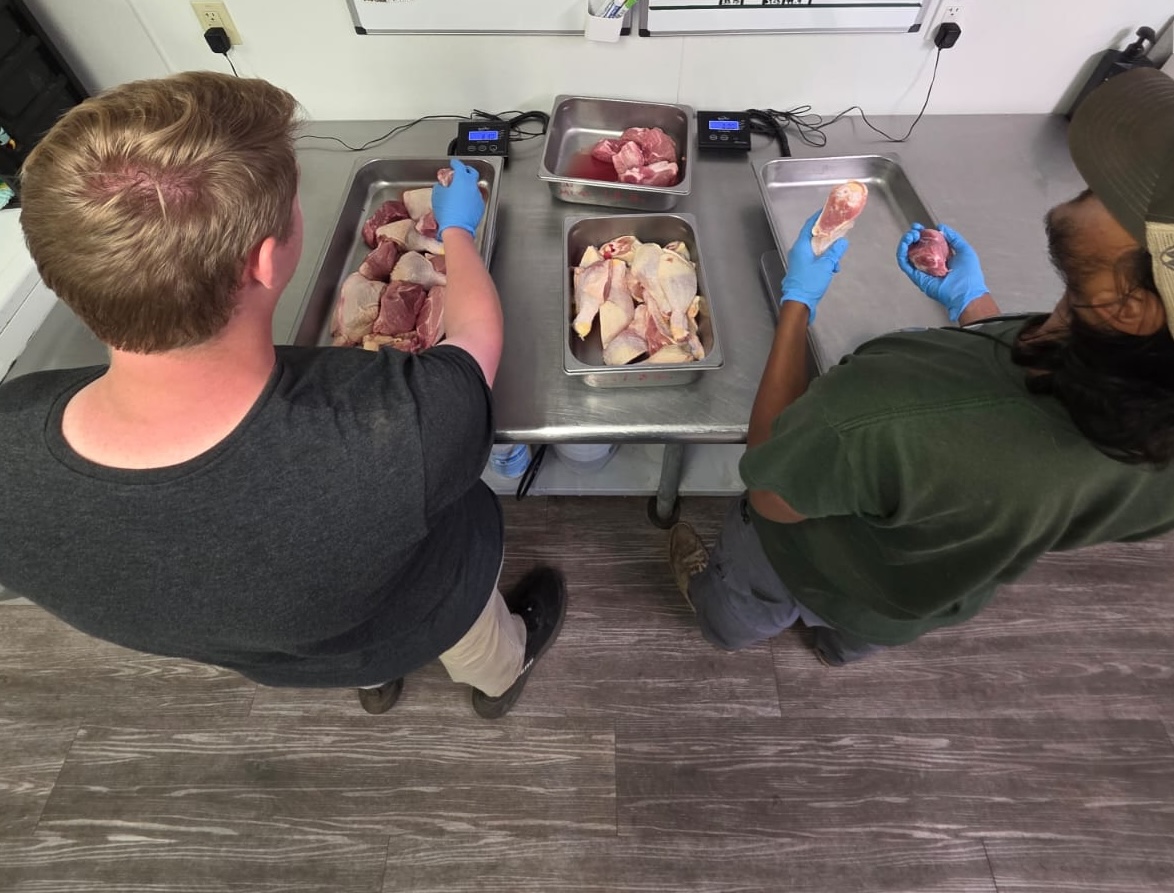
Big cats at CFAR receive carefully planned diets that reflect their biological needs as obligate carnivores. Meals are prepared according to established dietary guidelines and adjusted as needed based on age, health, and veterinary recommendations.
Feeding schedules are structured but varied to support engagement and reduce routine-based stress.
enrichment
Enrichment is a vital part of daily care and is designed to encourage natural behaviors such as exploration, problem-solving, scent investigation, and movement.
Enrichment activities may include novel scents, environmental changes, food-based challenges, and habitat features that promote choice and agency. Each enrichment plan is evaluated for safety and effectiveness.
Habitat & environment
Big cat enclosures at CFAR are designed to provide space, complexity, and environmental variation. Features such as tall vegetation, shaded zones, varied terrain, and natural substrates allow residents to choose how and where they spend their time.
Environmental management focuses on comfort, safety, and supporting species-appropriate behaviors throughout the day and across seasons.
Training & veterinary care
Big cats participate in husbandry training using positive reinforcement. These trained behaviors support routine health checks and veterinary examinations while minimizing stress.
Hands-on interactions are limited and performed only when necessary for medical or husbandry purposes. Ongoing observation and collaboration between animal care staff and veterinary professionals ensure proactive health management.
Learning With Purpose
Why Education Matters
Learning about servals helps broaden understanding of wildlife diversity and highlights the importance of conserving ecosystems of all sizes, not just those associated with larger predators. Education supports informed decision-making, ethical stewardship, and long-term conservation outcomes.
Those interested in learning more about other species and conservation topics can explore additional educational resources.
Learning about big cats often leads to a desire to better understand how thoughtful care and education work together. Central Florida Animal Reserve offers opportunities to deepen that understanding through guided experiences and community involvement.
Visit
Learn more about the big cats at CFAR through a guided visit