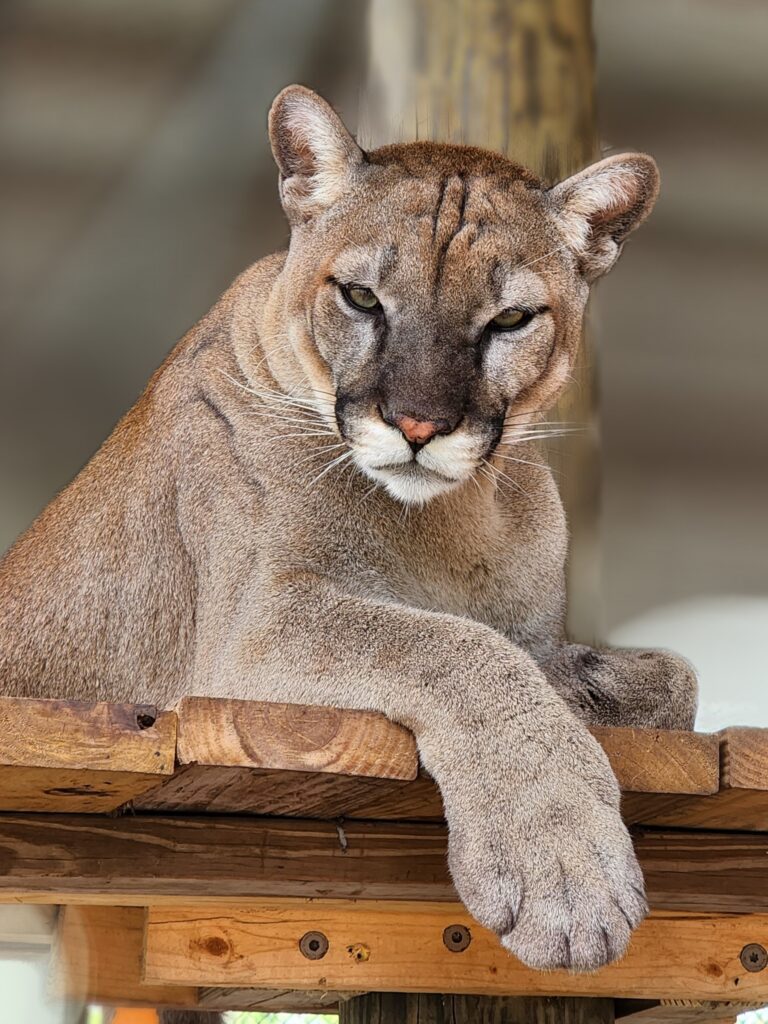
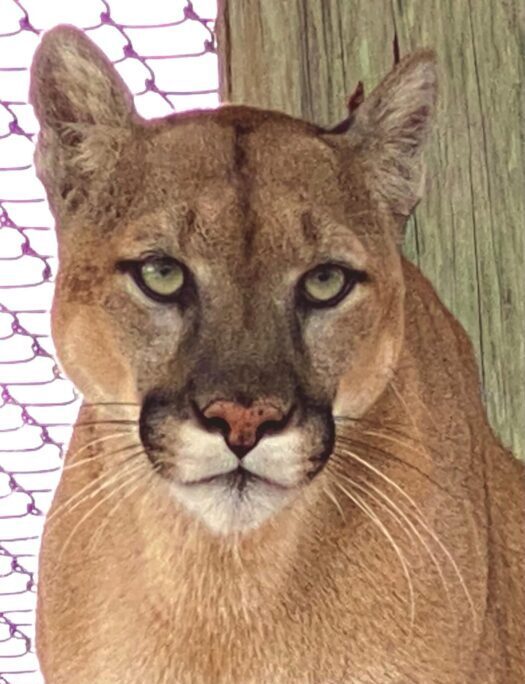
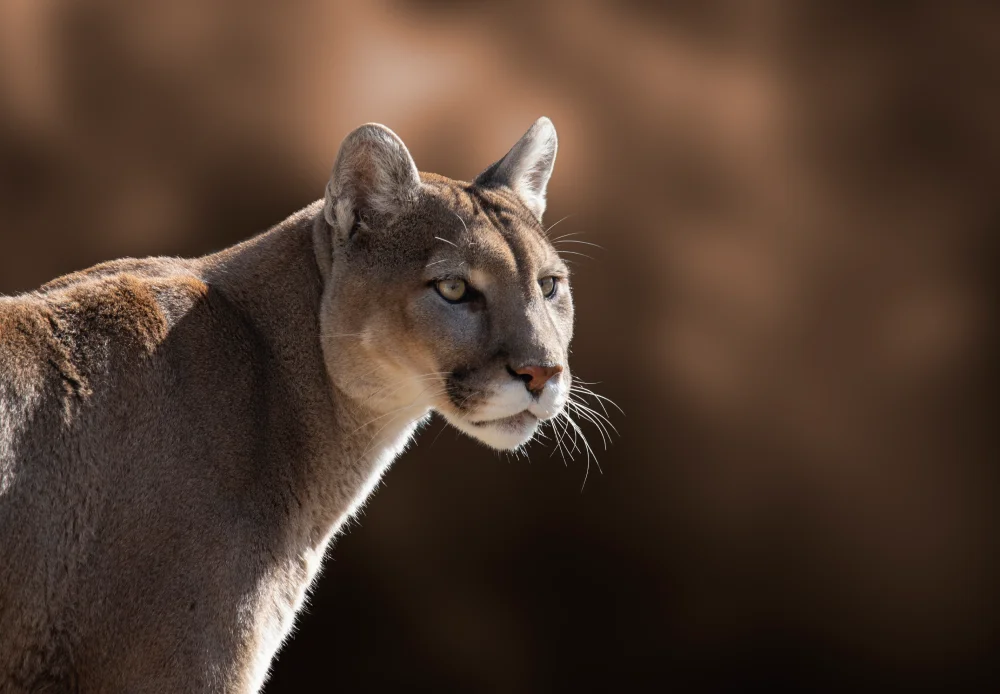
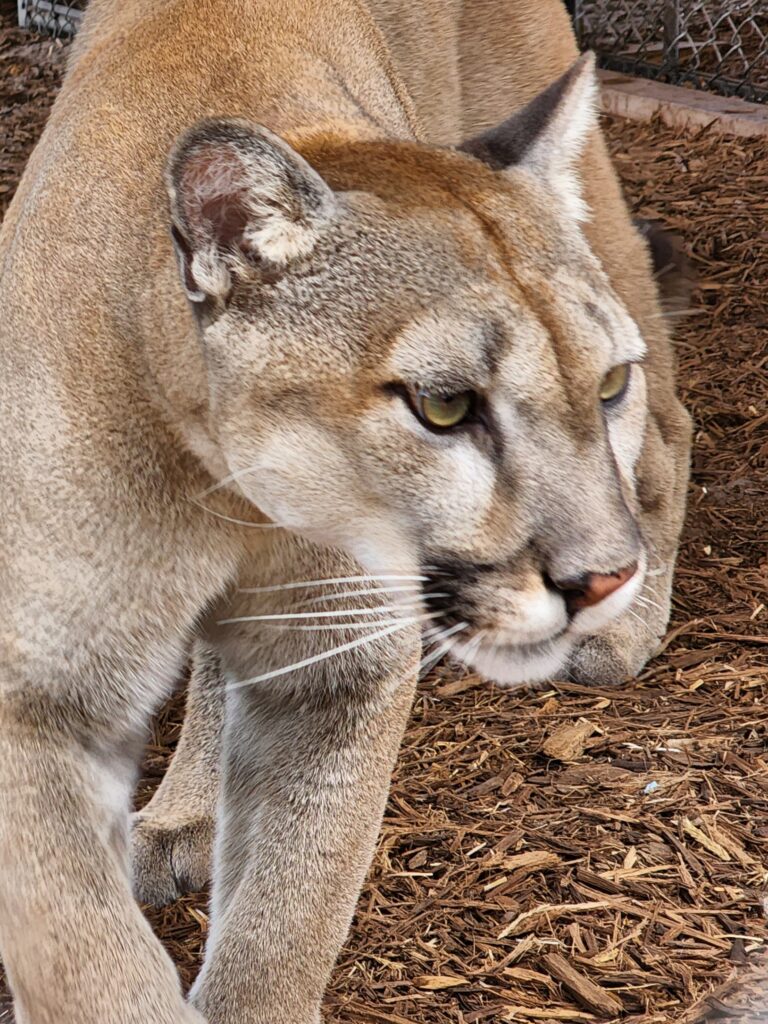
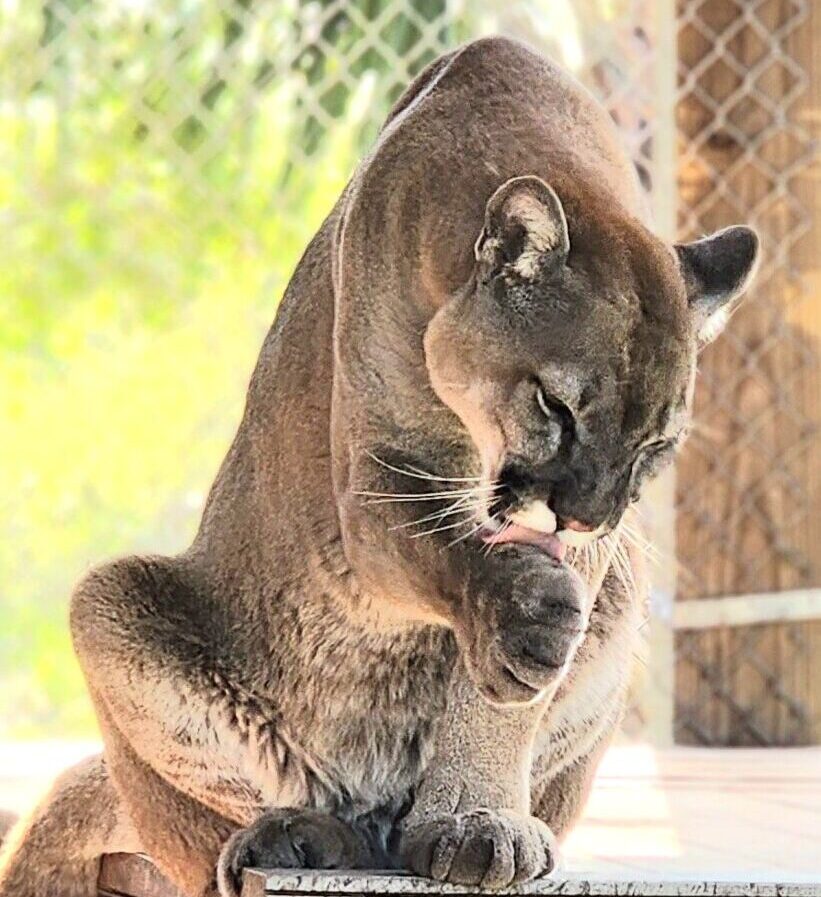
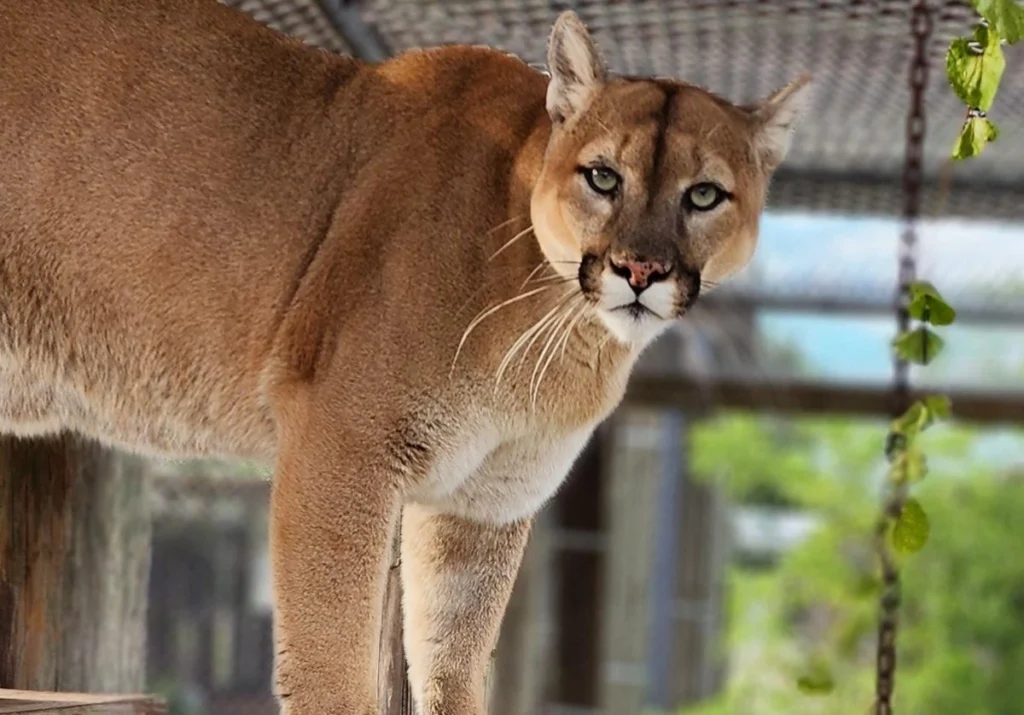
Cougars, also known as mountain lions or pumas, are among the most adaptable big cats in the world. Native to the Americas, they occupy a wide range of habitats including forests, deserts, wetlands, and mountainous regions. Their ability to survive across such varied landscapes reflects both physical adaptability and behavioral flexibility.
As apex predators, cougars play an essential role in maintaining ecological balance by regulating prey populations and influencing how other species move across the landscape. While often unseen due to their elusive nature, cougars are a critical component of healthy ecosystems. Understanding how they live and interact with their environment supports informed conservation and responsible care.
Conservation Information
Name: Cougar (Puma concolor)
Status: Least Concern, with regional variation*
What this means: While some cougar populations remain stable, others face localized declines due to increasing human pressures.
Threats: Habitat fragmentation, loss of prey species, vehicle collisions, and human-wildlife conflict
Conservation Effort: Protecting habitat connectivity, reducing conflict through coexistence strategies, and monitoring regional populations
*Status provided by International Union for Conservation of Nature (IUCN).
How Cougars Live
Natural History & Behavior
Cougars are solitary and territorial animals, with individuals maintaining large home ranges shaped by prey availability and landscape features. They communicate primarily through scent marking, scratch marks, and subtle vocalizations that help define territory boundaries.
Most active during dawn and dusk, cougars rely on stealth and patience rather than speed. In the wild, they exhibit natural behaviors such as stalking, climbing, resting in cover, scent investigation, and carefully navigating their environment to avoid detection.
Built for Agility
Physical Characteristics
Cougars have lean, muscular bodies built for strength, balance, and explosive movement. Their powerful hind legs allow them to leap great distances both vertically and horizontally, an advantage when navigating rugged terrain.
Their solid-colored coats provide effective camouflage across many environments, while keen eyesight and hearing support hunting during low-light conditions.
Life as Hunters
diet in the wild
In natural habitats, cougars primarily hunt deer, though their diet may also include smaller mammals depending on availability. Hunting success depends on concealment, precise timing, and the ability to ambush prey from cover.
After feeding, cougars often return to their kills over multiple days, balancing energy intake with rest and vigilance.
Cougar Care at CFAR
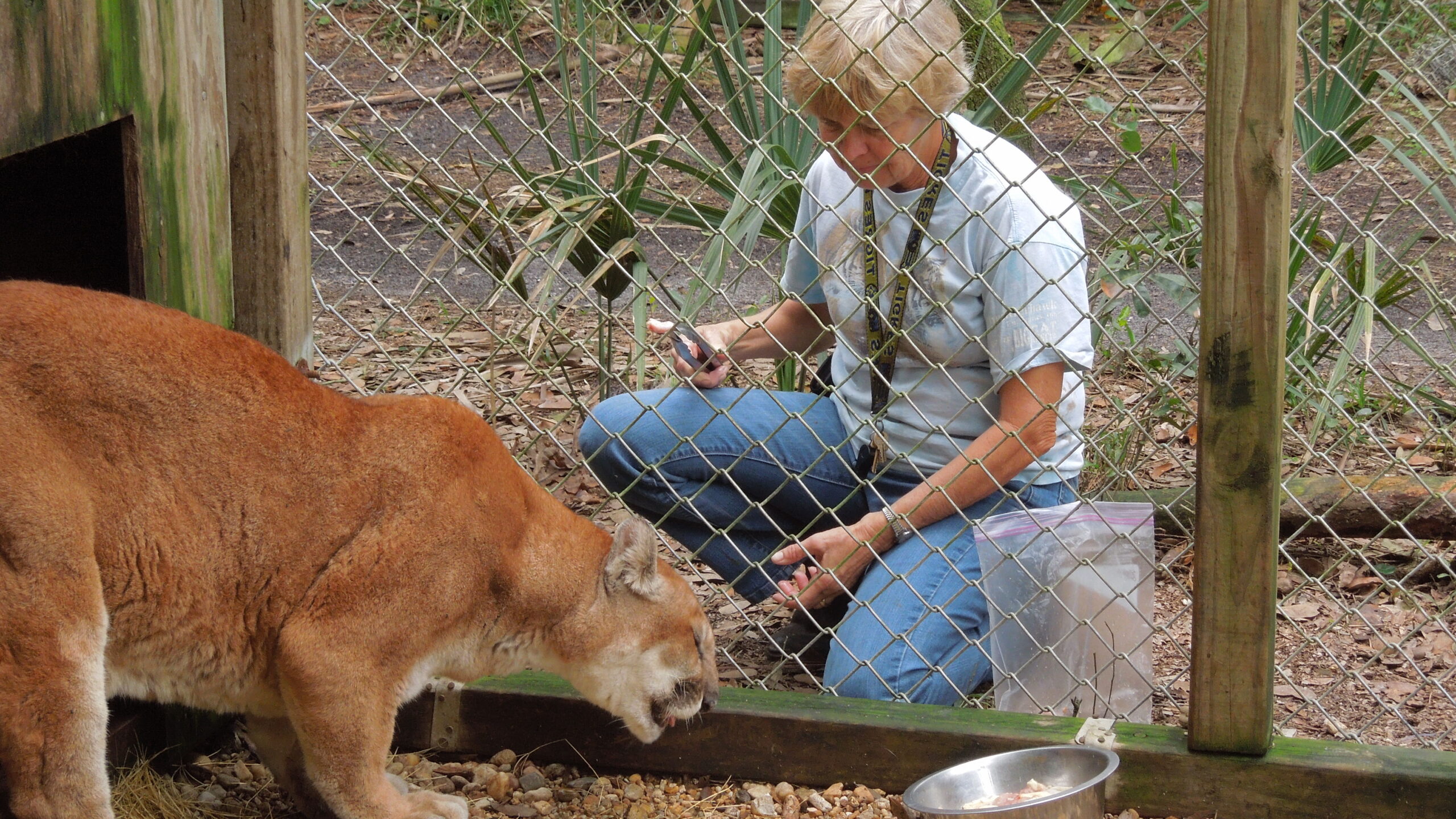
At Central Florida Animal Reserve, big cats are cared for in a way that prioritizes physical health, psychological well-being, and the ability to exhibit natural behaviors.
Nutrition and Feeding
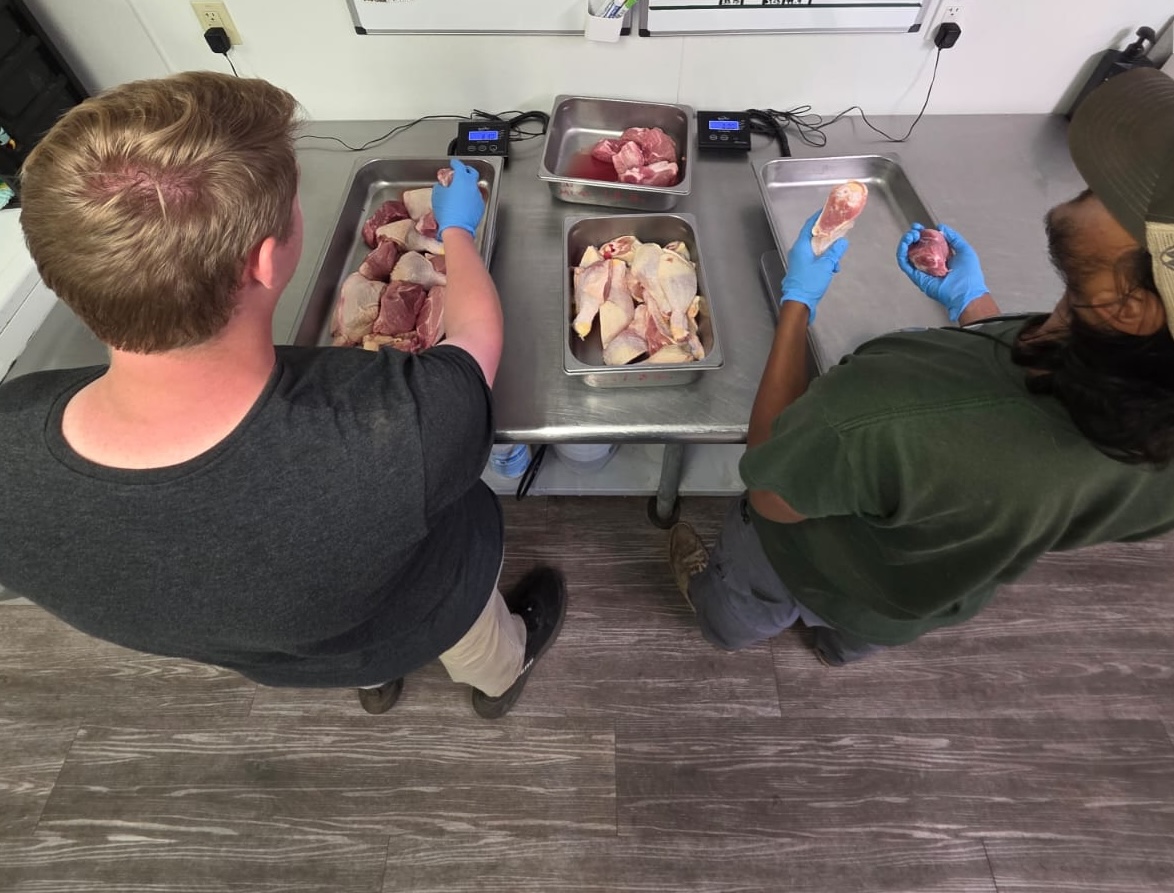
Big cats at CFAR receive carefully planned diets that reflect their biological needs as obligate carnivores. Meals are prepared according to established dietary guidelines and adjusted as needed based on age, health, and veterinary recommendations.
Feeding schedules are structured but varied to support engagement and reduce routine-based stress.
enrichment
Enrichment is a vital part of daily care and is designed to encourage natural behaviors such as exploration, climbing, problem-solving, scent investigation, and movement.
Activities may include environmental changes, novel scents, food-based challenges, and habitat features that promote choice and agency. Each enrichment plan is evaluated for safety and effectiveness.
Habitat & environment
Big cat enclosures at CFAR are designed to provide space, complexity, and environmental variation. Features such as elevated areas, shaded zones, visual barriers, and natural substrates allow residents to choose how and where they spend their time.
Environmental management focuses on comfort, safety, and supporting species-appropriate behaviors throughout the day and across seasons.
Training & veterinary care
Big cats participate in husbandry training using positive reinforcement. These trained behaviors support routine health checks and veterinary examinations while minimizing stress.
Hands-on interactions are limited and performed only when necessary for medical or husbandry purposes. Ongoing observation and collaboration between animal care staff and veterinary professionals support proactive health management.
Learning With Purpose
Why Education Matters
Learning about cougars helps foster respect for wildlife and a deeper understanding of the challenges associated with sharing landscapes with large predators. Education supports informed decision-making, ethical stewardship, and long-term conservation outcomes.
Those interested in learning more about other species and conservation topics can explore additional educational resources.
Learning about big cats often leads to a desire to better understand how thoughtful care and education work together. Central Florida Animal Reserve offers opportunities to deepen that understanding through guided experiences and community involvement.
Visit
Learn more about the big cats at CFAR through a guided visit