Lions are one of the most recognizable big cat species in the world, known for their social structure, powerful presence, and complex communication. Native to parts of Africa, lions have evolved to thrive in open landscapes such as savannas and grasslands, where cooperation and awareness are essential to survival.
Today, wild lion populations face ongoing challenges due to habitat loss, human wildlife conflict, and declining prey availability. Understanding their biology and behavior is a key step toward informed conservation and responsible care.
Conservation Information
Name: African Lion
Status: Decreasing*
What this means: These animals have a 10% chance that they will become extinct in the next 100 years if the current conditions remain unchanged.
Threats: habitat loss and fragmentation, depletion of natural prey, human-wildlife conflict , and illegal trade in body parts
Conservation Effort: mitigating human-lion conflict, strengthening protected area management, restoring prey populations, and fostering community benefits
*Status provided by International Union for Conservation of Nature (IUCN).
How Lions Live
Natural History & Behavior
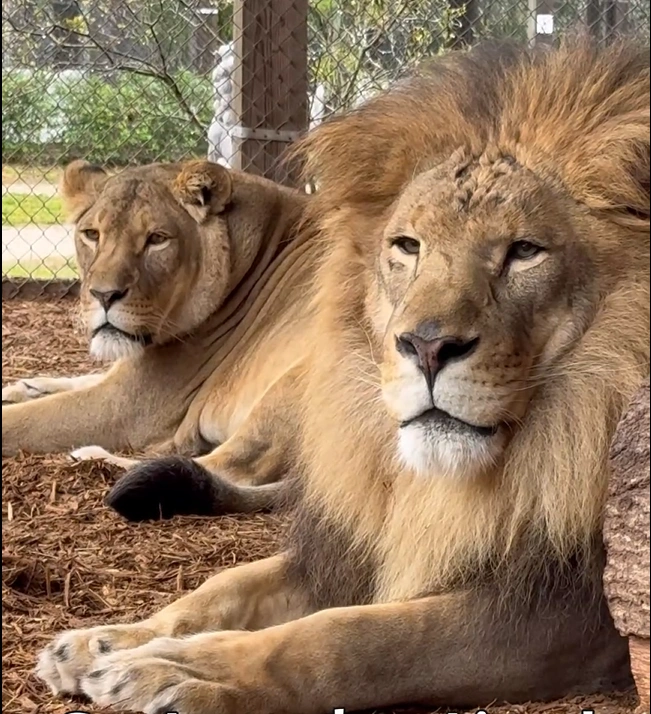
Lions are unique among big cats because they live in social groups called prides. A pride typically consists of related females, their offspring, and a small number of adult males. This social structure supports cooperative hunting, shared cub care, and territorial defense.
Lions are most active during cooler parts of the day, often resting for long periods to conserve energy. Their vocalizations, including roars, growls, and softer social sounds, are used to communicate with pride members and establish territory.
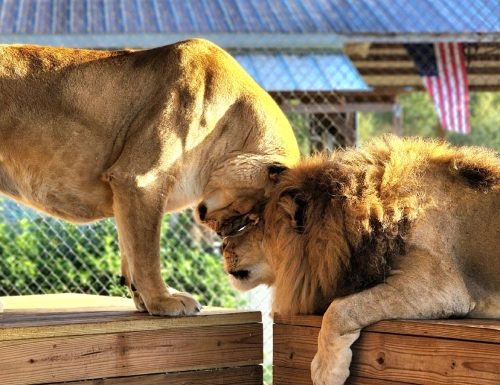
In the wild, lions exhibit a wide range of natural behaviors such as stalking, resting in shaded areas, scent marking, and social grooming.
Built for Power
Physical Characteristics
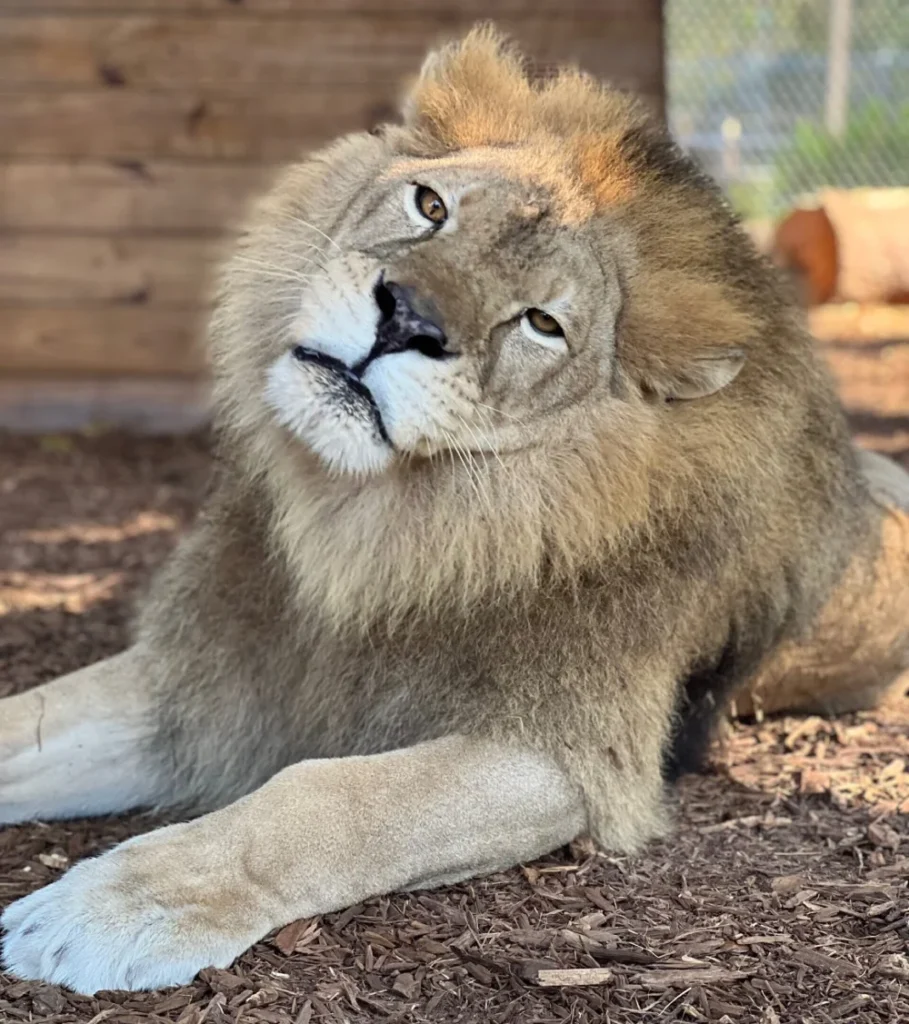
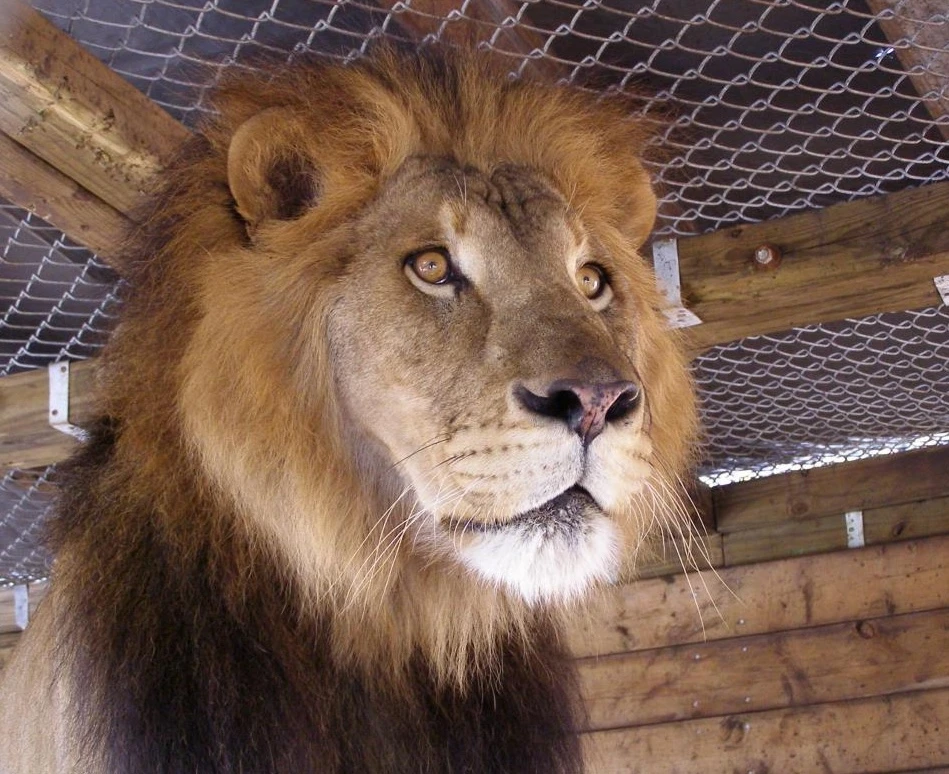
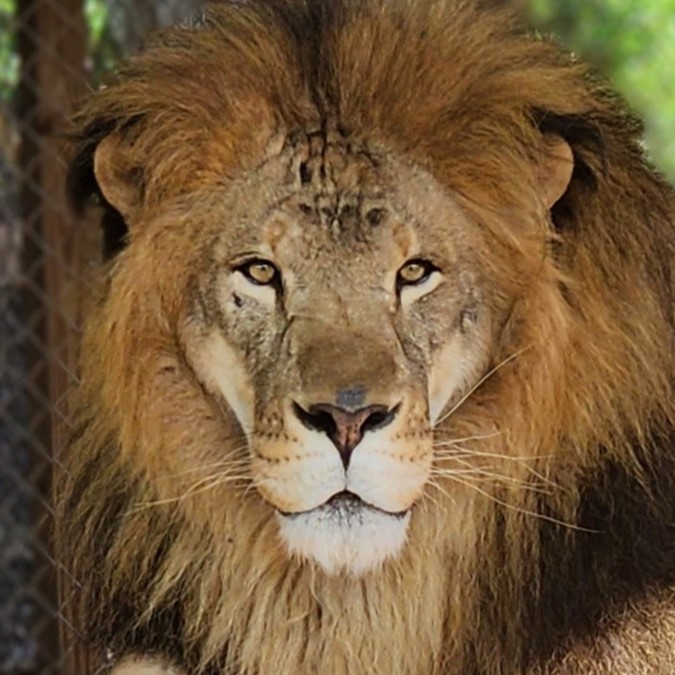
Adult lions are among the largest big cats, with males typically larger than females. Males are distinguished by their manes, which vary in color and fullness and may signal age, health, and genetics.
Lions possess strong forelimbs, retractable claws, and powerful jaws designed for bringing down and consuming large prey. Their eyesight and hearing are well adapted for low-light conditions, supporting crepuscular and nocturnal activity.
Life as Hunters
diet in the wild
In natural habitats, lions are carnivores that primarily hunt large ungulates such as antelope, zebra, and wildebeest. They rely on cooperative strategies and patience rather than speed alone.
A lion’s diet in the wild is variable and influenced by prey availability, pride size, and seasonal conditions. Meals are often followed by extended periods of rest.
Lion Care at CFAR
At Central Florida Animal Reserve, big cats are cared for in a way that prioritizes physical health, psychological well-being, and the ability to exhibit natural behaviors.
Nutrition and Feeding
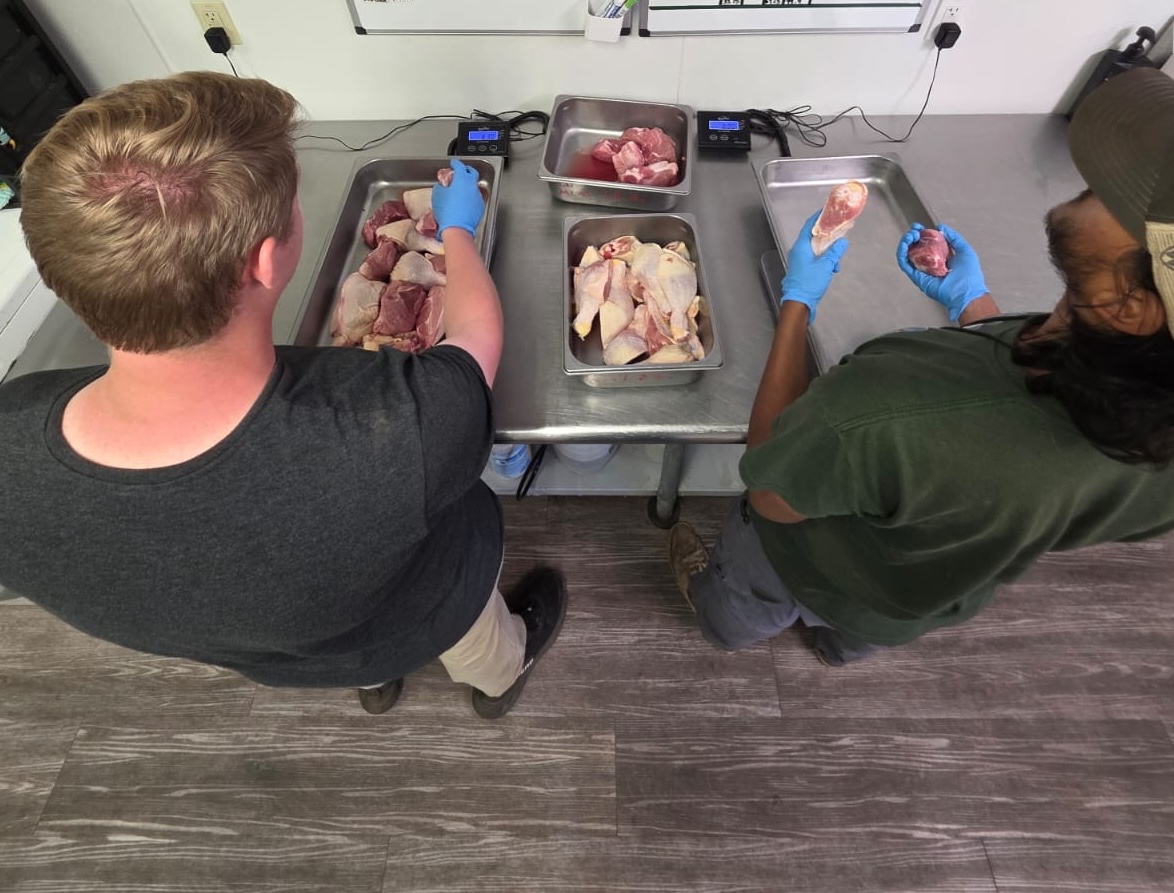
Big cats at CFAR receive a carefully planned diet that reflects their biological needs as obligate carnivores. Meals are prepared according to established dietary guidelines and adjusted as needed based on age, health, and veterinary recommendations.
Feeding schedules are structured but varied to support engagement and reduce routine-based stress.
enrichment
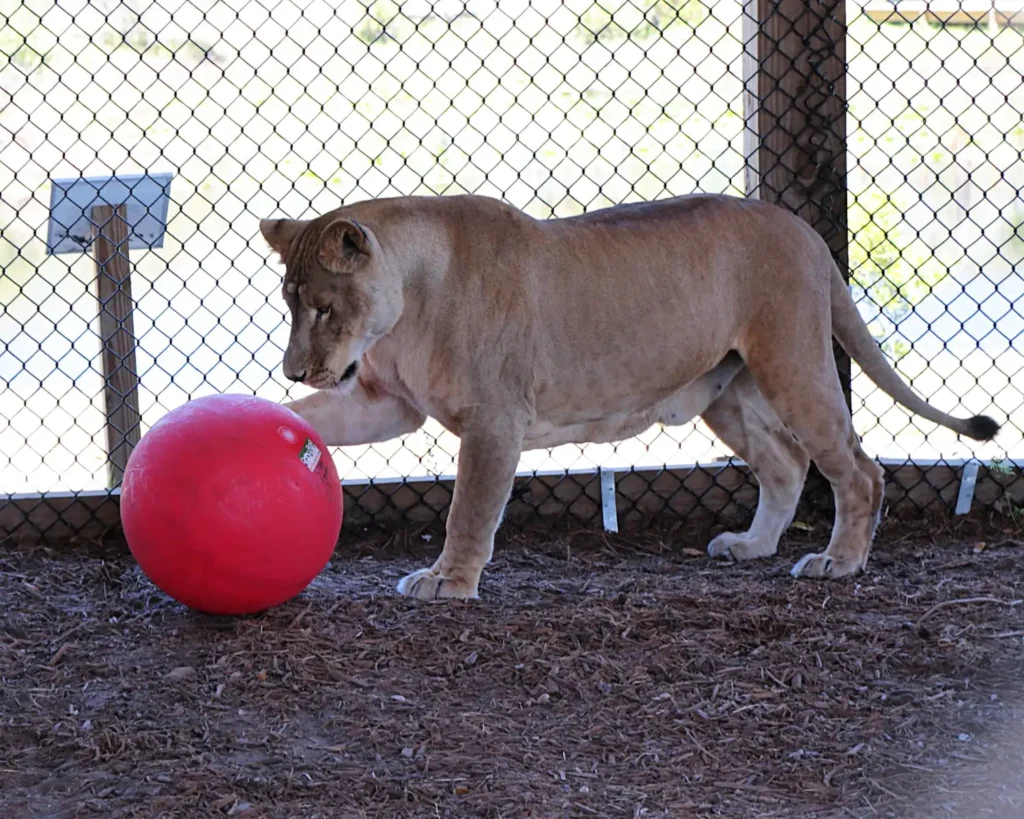
Enrichment is a vital part of daily care and is designed to encourage natural behaviors such as exploration, problem-solving, scent investigation, and movement.
Enrichment activities may include novel scents, environmental changes, food-based challenges, and habitat features that promote choice and agency. Each enrichment plan is evaluated for safety and effectiveness.
Habitat & environment
Big cat enclosures at CFAR are designed to provide space, complexity, and environmental variation. Features such as elevated areas, shaded zones, and natural substrates allow residents to choose how and where they spend their time.
Environmental management focuses on comfort, safety, and supporting species appropriate behaviors throughout the day and across seasons.
Training & veterinary care
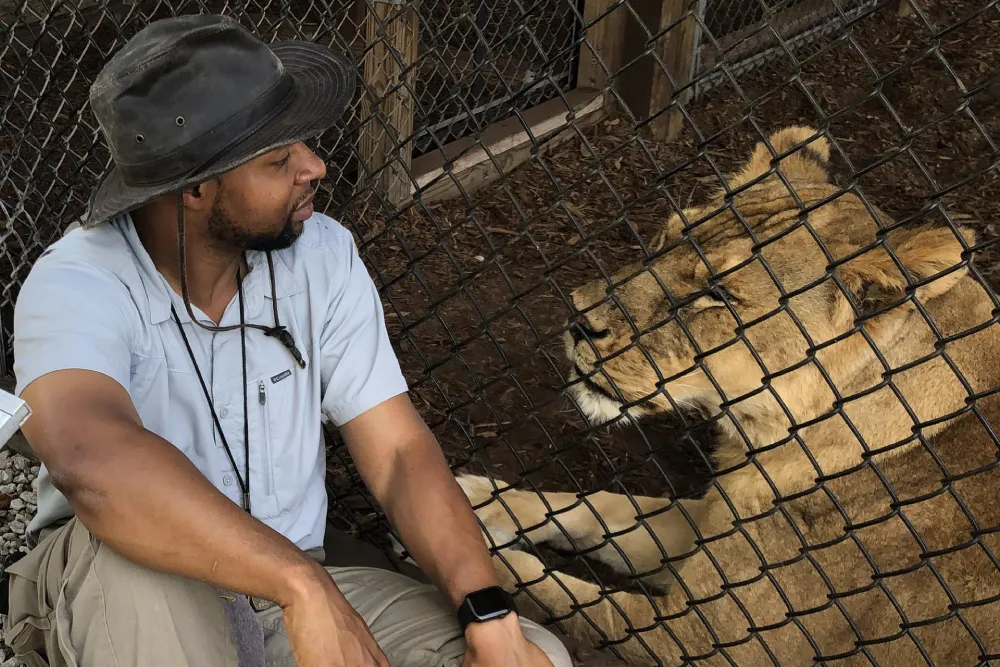
Big cats participate in husbandry training using positive reinforcement. These trained behaviors support routine health checks and veterinary examinations while minimizing stress.
Hands-on interactions are limited and performed only when necessary for medical or husbandry purposes. Ongoing observation and collaboration between animal care staff and veterinary professionals ensure proactive health management.
Learning With Purpose
Why Education Matters
Learning about big cats helps foster respect for wildlife and a deeper understanding of the responsibilities involved in caring for animals that cannot return to the wild. Education supports informed decision-making, ethical stewardship, and long-term conservation outcomes.
Those interested in learning more about other species and conservation topics can explore additional educational resources.
Learning about big cats often leads to a desire to better understand how thoughtful care and education work together. Central Florida Animal Reserve offers opportunities to deepen that understanding through guided experiences and community involvement.
Visit
Learn more about the big cats at CFAR through a guided visit